What a cleanser actually has to do
A facial cleanser has one job that matters more than any other: lift away sunscreen, sebum, makeup and pollution without stripping the lipids your skin barrier depends on. Everything else on the label, from "brightening" to "detoxifying", is secondary at best. That is why the claim-match criterion for cleansers is judged narrowly. A wash-off product sits on the face for under a minute, so we discount promises that need an active ingredient to stay in contact for hours.
Our panel washed with each cleanser morning and evening for four weeks. In the evening, every panellist first applied the same mineral sunscreen and a long-wear foundation, then cleansed once. We checked removal with a cotton pad soaked in micellar water: the less residue on the pad, the higher the removal note. Panellists also logged tightness ten minutes after washing on a one-to-five scale, because tightness is the quickest sign that a cleanser is too harsh for you.
Gel, foam, cream and balm in plain terms
Gel cleansers are usually water-based with mild surfactants, and they suit combination and oily skin. Foaming cleansers lather because of surfactants that can be gentle or harsh; the foam itself tells you very little. Cream and lotion cleansers carry more emollients and suit dry or sensitive skin, though some struggle with water-resistant sunscreen. Balms and oils dissolve makeup and sunscreen well and are often used as the first step of a double cleanse.
The pH debate deserves a note. Healthy skin surface sits mildly acidic, and research summarised by the British Association of Dermatologists and others suggests that very alkaline soaps can disrupt the barrier. We test pH with strips, which are approximate. We report it, but we do not let a strip reading swing a score by more than half a point, because the surfactant system matters as much as the number.
How to read the sheets below
Each block shows the overall score in the teal badge and the six criterion scores underneath. If you have sensitive skin, look first at tolerance. If you wear heavy sunscreen daily, look at claim match, where removal is folded in. Prices are list prices from major UK and US retailers on our test date and will move.
The score sheets
CeraVe Hydrating Facial Cleanser
8.7- Formula9.0
- Claim match8.0
- Feel8.5
- Tolerance9.5
- Packaging8.5
- Value9.0
Pros
- Zero tightness reports
- Fragrance-free
Cons
- Left foundation residue on 3 of 5 pads
- Non-foaming feel divides users
La Roche-Posay Toleriane Hydrating Gentle Cleanser
8.4- Formula8.5
- Claim match8.5
- Feel8.5
- Tolerance9.5
- Packaging7.5
- Value7.0
Pros
- Best tolerated by our rosacea tester
- Removes light sunscreen well
Cons
- Pricier per ml
- Squeeze tube wastes the last 10%
CeraVe Foaming Facial Cleanser
7.9- Formula8.0
- Claim match8.5
- Feel8.0
- Tolerance7.0
- Packaging8.5
- Value8.5
Pros
- Clean finish for oily skin
- Good sunscreen removal
Cons
- Two dry-skin panellists reported tightness
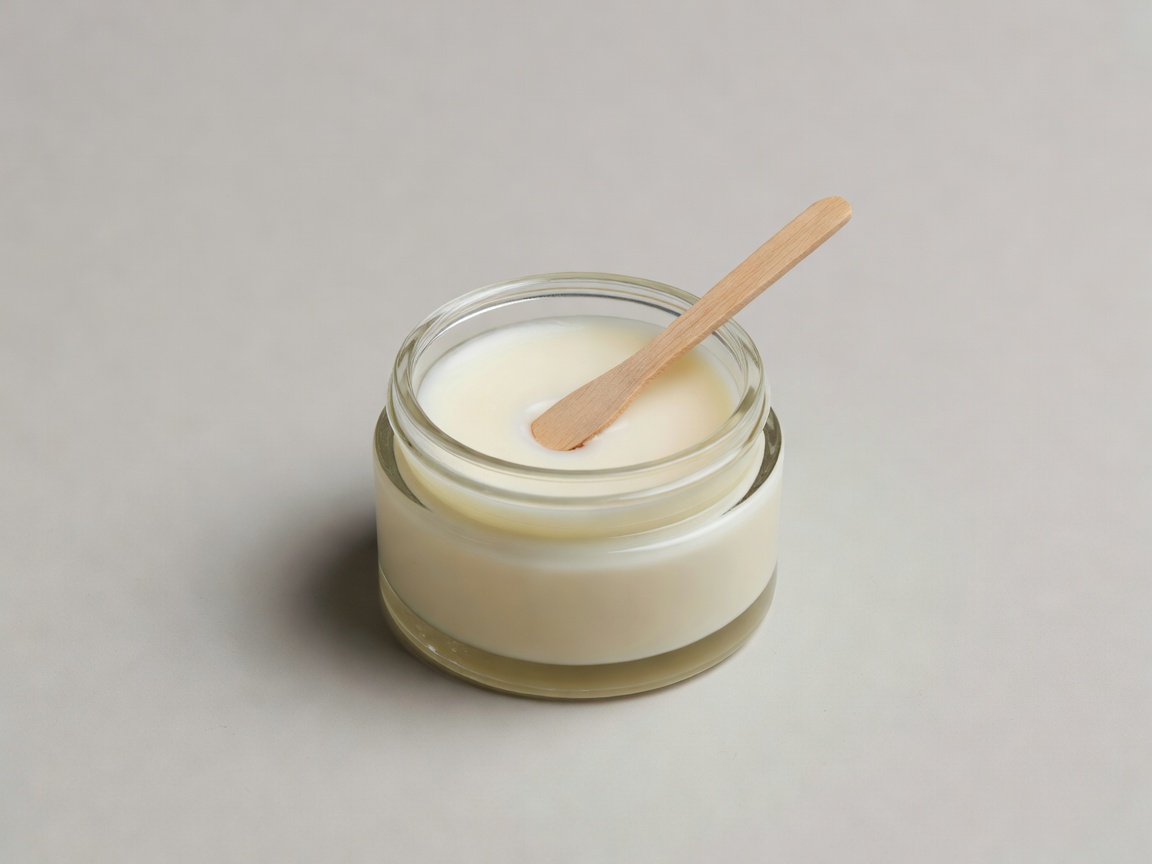
Banila Co Clean It Zero Original
8.1- Formula7.5
- Claim match9.5
- Feel8.5
- Tolerance7.5
- Packaging7.5
- Value8.0
Pros
- Cleanest pads of any cleanser tested
- Melts waterproof mascara
Cons
- Contains fragrance
- Open jar, fingers in product
Limits we admit
Four weeks catches irritation and tightness, but not slow-building dryness over a winter. Our panel lives in temperate climates; a cleanser that feels balanced in London may feel stripping in Arizona. If you react to a product we rated highly for tolerance, trust your skin over our sheet. Our method page explains every weighting in full, and you can suggest a cleanser for the next round.