What we can and cannot test
SPF and UVA protection are measured in accredited labs using standards such as ISO 24444 for SPF and ISO 24443 for UVA. We do not run those tests. No review site without a lab and human volunteers under a solar simulator can verify an SPF number, and any site that implies otherwise is overreaching. Instead, our formula score looks at which UV filters are listed, whether broad-spectrum protection is claimed in a regulated way, and whether the product carries recognised UVA marks.
Those marks differ by market. In the EU and UK, the UVA logo in a circle indicates UVA protection of at least one third of the labelled SPF, under the European Commission's 2006 recommendation. Boots in the UK uses a star rating for UVA. In Japan and Korea, the PA system runs from PA+ to PA++++. In the United States, the FDA regulates sunscreen as an over-the-counter drug, and "broad spectrum" passes a critical-wavelength test. We record the marks on each product and the market we bought it in.
Chemical, mineral and hybrid filters
Mineral filters, zinc oxide and titanium dioxide, sit on the skin and scatter and absorb UV. They tend to suit sensitive skin but can leave a white or grey cast, especially on deeper skin tones. Chemical, or organic, filters absorb UV and are usually invisible, but some people react to specific ones. Many modern European and Asian sunscreens use newer filters such as Tinosorb S or Uvinul A Plus that are not currently approved in the US, which is why the same brand may sell different formulas in different countries.
How white cast is judged
Our panel spans Fitzpatrick types I to VI. Each panellist applies a measured amount, roughly a quarter teaspoon for the face, and we photograph them in daylight and with a flash after fifteen minutes. White cast is scored by the panellist with the deepest skin tone who tested that product, because a sunscreen that looks invisible on pale skin tells you nothing about how it performs for everyone else.
Finish is logged after six hours: matte, natural, dewy or greasy. Panellists also note stinging around the eyes, which is the single most common complaint we receive from readers about sunscreen.
The score sheets
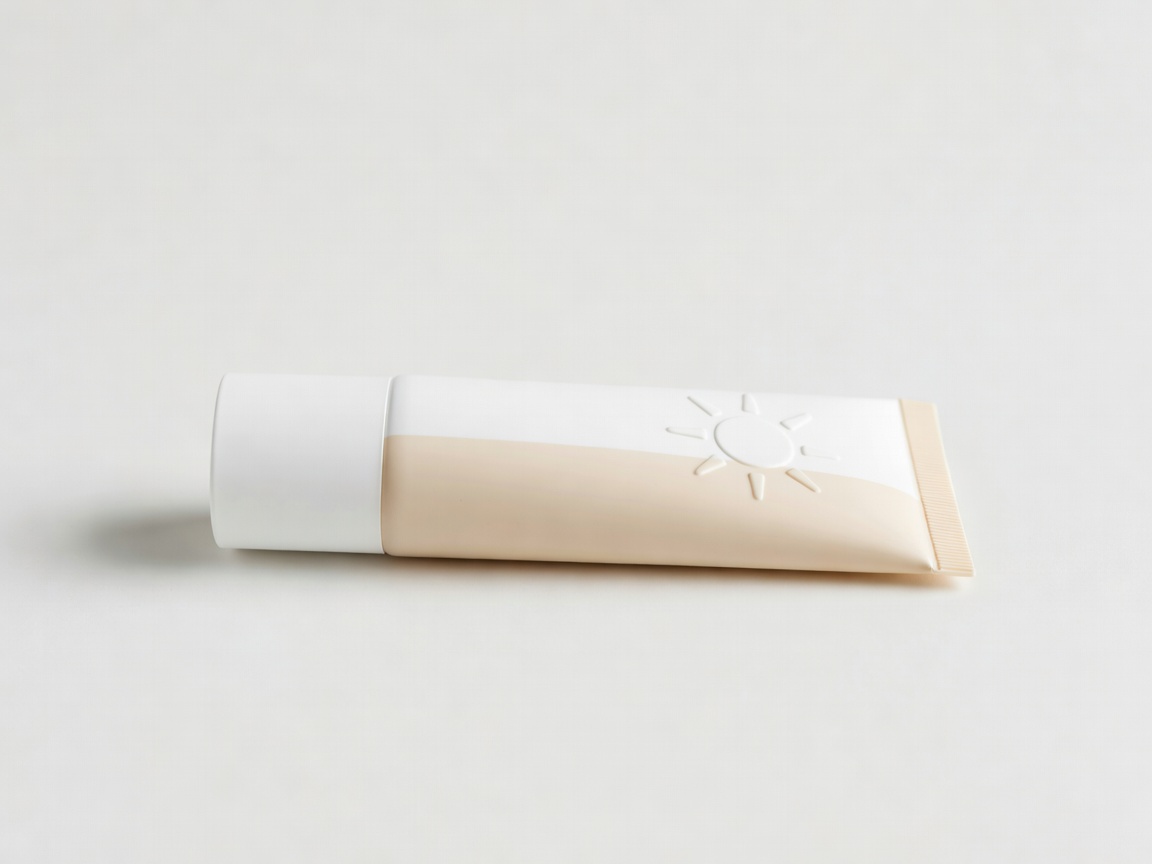
Beauty of Joseon Relief Sun SPF50+ PA++++
8.6- Formula8.5
- Claim match8.0
- Feel9.5
- Tolerance8.5
- Packaging8.0
- Value9.0
Pros
- No cast on types V–VI
- Layers under makeup
Cons
- Shiny by midday on oily skin
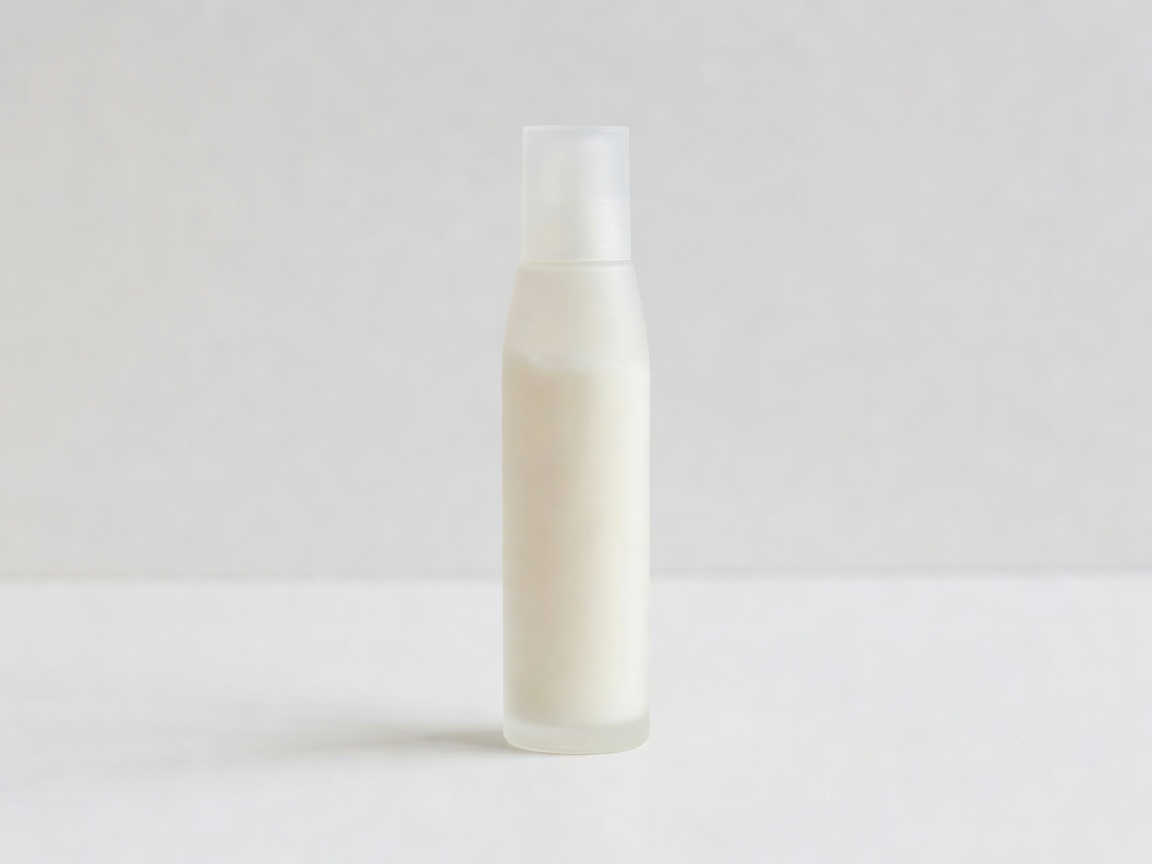
La Roche-Posay Anthelios UVMune 400 Invisible Fluid SPF50+
8.5- Formula9.5
- Claim match8.5
- Feel8.0
- Tolerance8.5
- Packaging8.0
- Value7.0
Pros
- Strong filter system
- Thin, fast-drying fluid
Cons
- Stung eyes for two panellists
- Must shake well
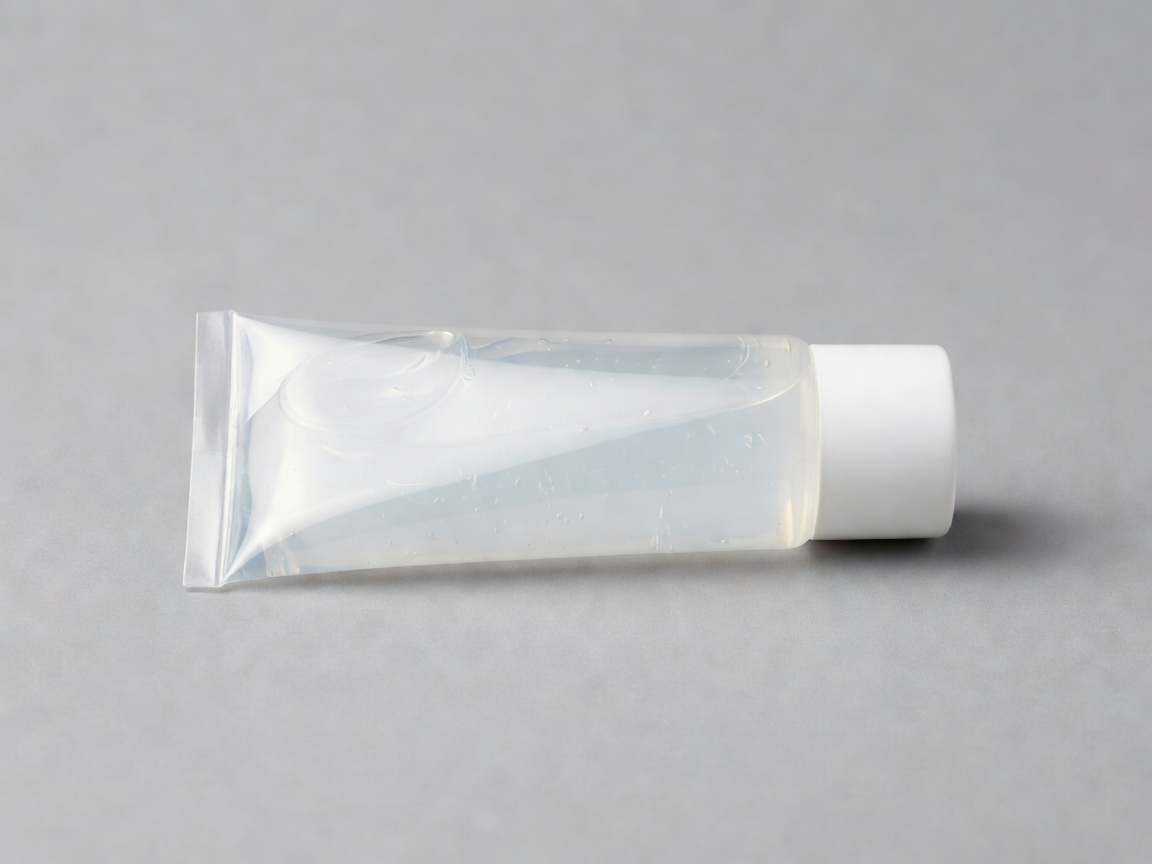
Supergoop! Unseen Sunscreen SPF 40
7.7- Formula7.5
- Claim match8.5
- Feel9.0
- Tolerance7.5
- Packaging8.0
- Value5.5
Pros
- Truly invisible
- Primer-like finish
Cons
- Expensive per ml
- Contains fragrance
EltaMD UV Clear SPF 46
8.0- Formula8.0
- Claim match8.0
- Feel8.0
- Tolerance9.5
- Packaging7.5
- Value6.5
Pros
- Calm on rosacea-prone skin
- Fragrance-free
Cons
- Faint cast on type VI
Limits we admit
We cannot confirm SPF or water resistance. Sunscreen is one part of sun protection; the NHS and the Skin Cancer Foundation also recommend shade, clothing and reapplication every two hours outdoors. See how we score for every weighting.