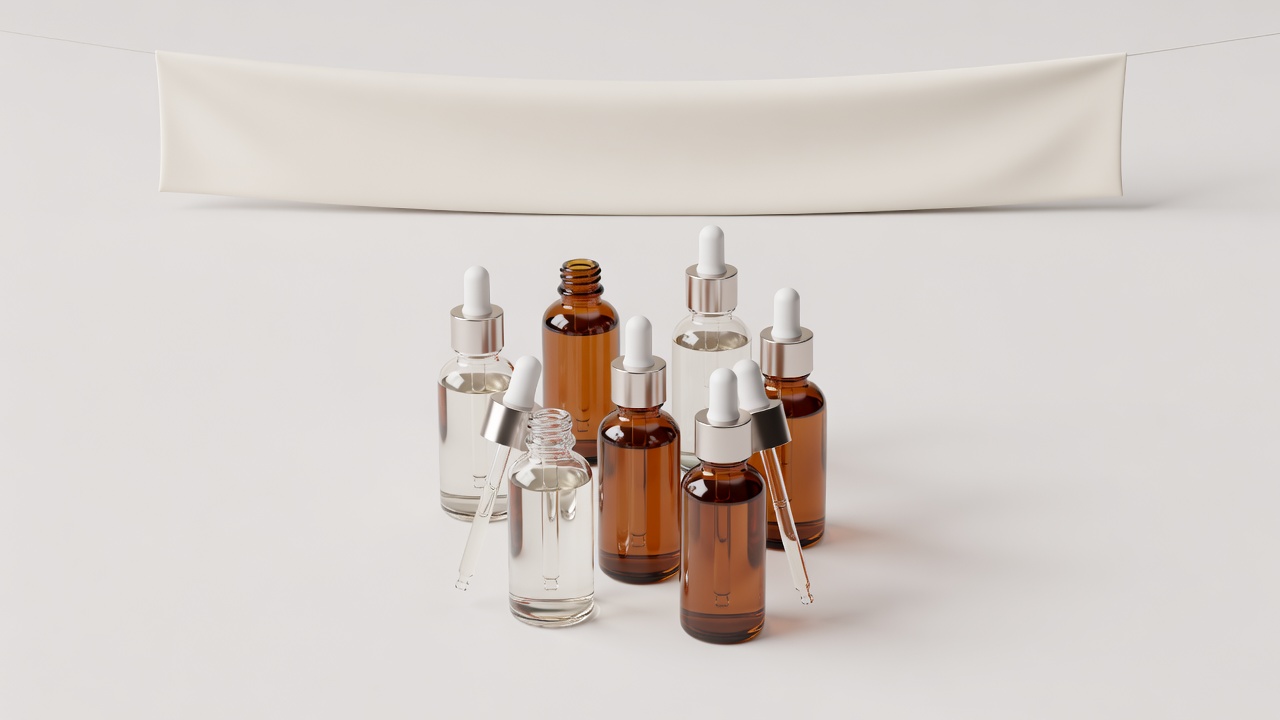
Why claim match carries more weight here
A serum is a concentrated leave-on product built around one or two actives. That makes it easier to judge than a cleanser, because the label tells you what it should do: fade marks, smooth texture, reduce oil. It also makes it easier to oversell. A "20% vitamin C" serum sounds strong, but the form of vitamin C, the pH and the packaging decide whether that percentage does anything once the bottle has been open for a month.
For serums, our claim-match score asks a narrow question: did the panel see the specific change the brand promised, within the timeframe the brand promised? If a niacinamide serum claims visibly smaller pores in two weeks, we photograph panellists under the same light at day zero, day fourteen and day twenty-eight. Photos are not a dermatology instrument, and we say so. But they keep us honest about whether anything changed beyond what anyone would notice after a month of good moisturising.
Concentration is not the same as quality
Higher is not automatically better. Niacinamide is well studied at around 2–5%, and many people tolerate 10%, but some report flushing at high concentrations. L-ascorbic acid, the most researched form of vitamin C, works best at low pH, which can sting. Retinol at 0.3% may irritate a beginner more than a 1% formula with an encapsulated delivery system would. Our formula score rewards sensible concentrations, stable forms and supportive ingredients, not headline numbers.
We also check packaging closely for this category. Vitamin C and retinoids degrade with light and air. A clear dropper bottle that lets air in every time you use it will lose potency faster than an opaque airless pump. When a serum turns orange or brown, it has oxidised; we note whether that happened during testing.
Patch-test first, always
Every panellist patch-tested each serum on the inner arm for 48 hours before facial use. Our sensitive-skin tester stopped two products early, and when that happens it lowers the tolerance score and is stated on the sheet. If you are pregnant or breastfeeding, speak to a doctor or pharmacist before using retinoids; the NHS and the American Academy of Dermatology both advise caution.
The score sheets
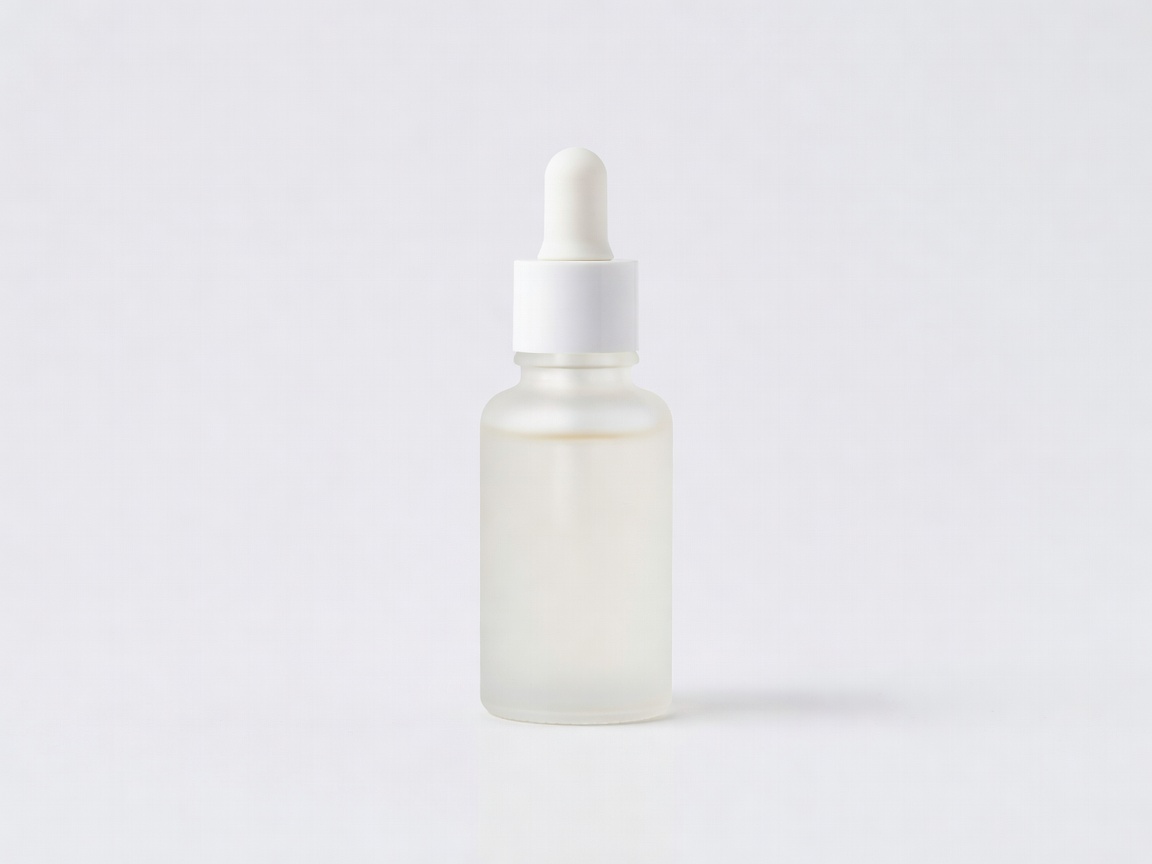
The Ordinary Niacinamide 10% + Zinc 1%
7.8- Formula8.0
- Claim match7.0
- Feel6.5
- Tolerance7.5
- Packaging8.0
- Value10
Pros
- Oil reduction noted by both oily testers
- Very low price
Cons
- Pills under some moisturisers
- Mild flushing in one tester
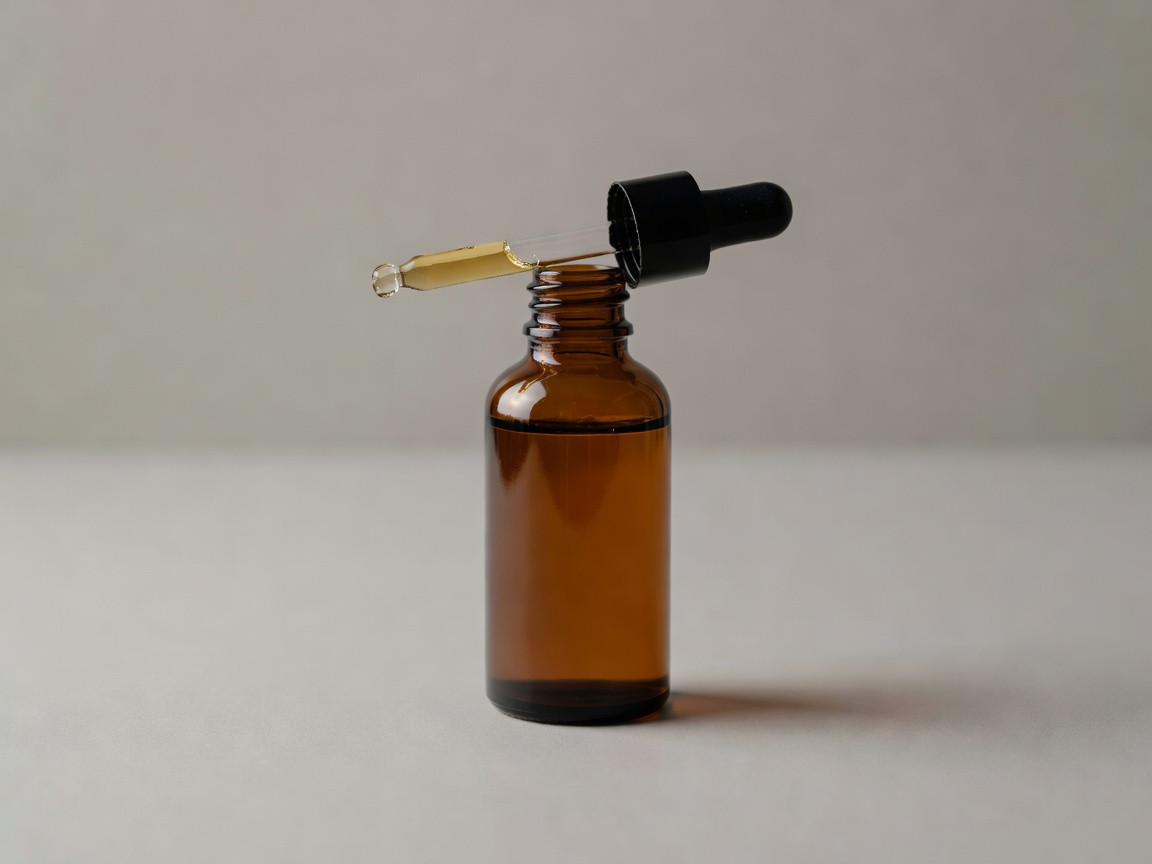
SkinCeuticals C E Ferulic
8.2- Formula9.5
- Claim match8.0
- Feel7.5
- Tolerance8.0
- Packaging8.0
- Value5.5
Pros
- Well-researched formula
- Dimmed post-acne marks on 3 of 5
Cons
- Very expensive
- Noticeable smell; tacky for minutes
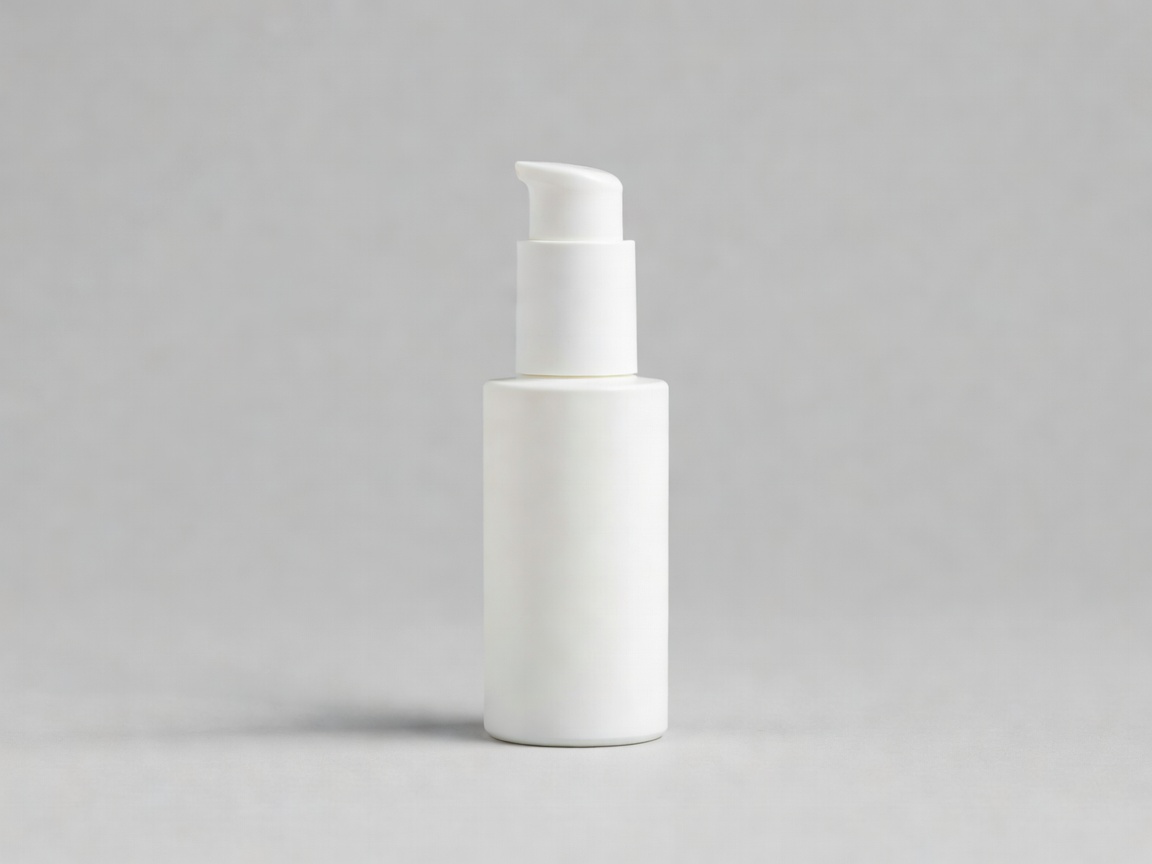
La Roche-Posay Retinol B3 Serum
8.0- Formula8.5
- Claim match7.5
- Feel8.5
- Tolerance7.5
- Packaging9.0
- Value7.0
Pros
- Airless-style pump protects retinol
- Beginner-friendly feel
Cons
- Texture change too slow to judge in 4 weeks
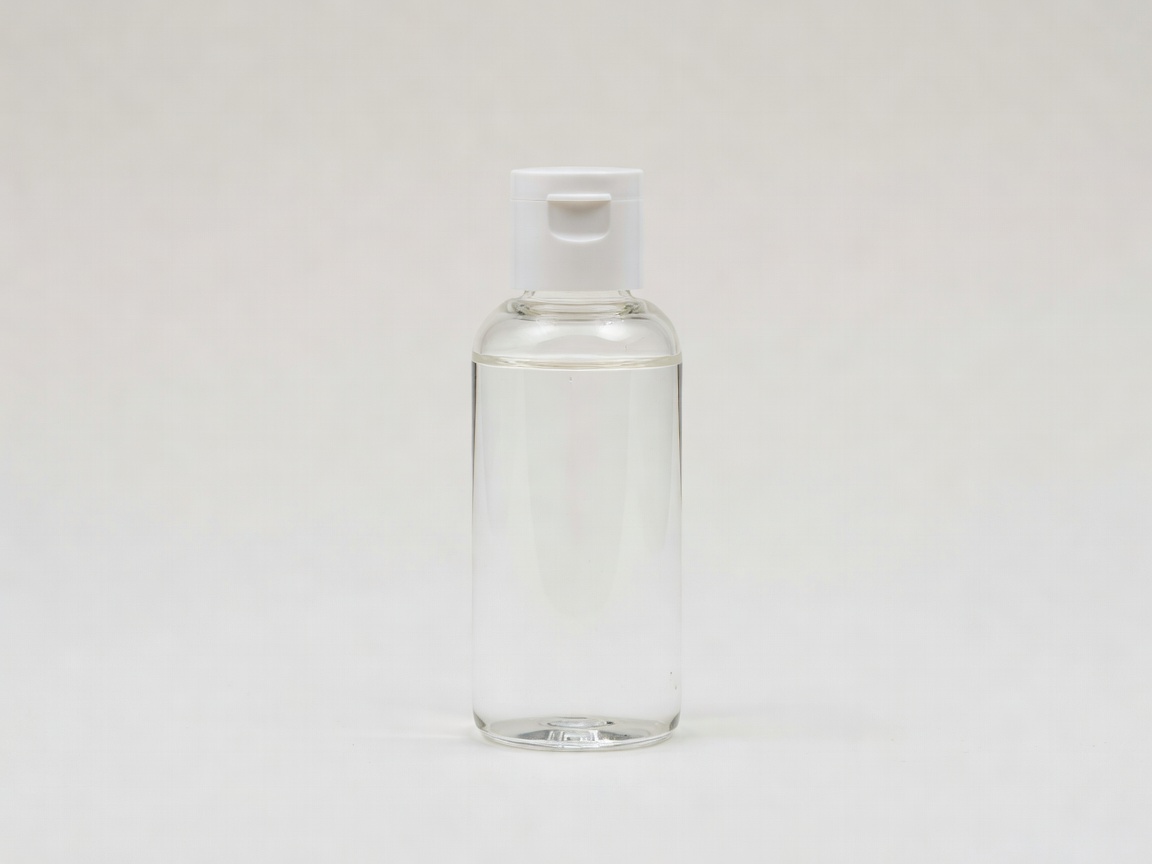
Paula's Choice Skin Perfecting 2% BHA Liquid
8.5- Formula9.0
- Claim match9.0
- Feel8.5
- Tolerance7.5
- Packaging8.5
- Value7.5
Pros
- Fewer blackheads by week three
- Weightless texture
Cons
- Stung on our rosacea tester
- Overuse dries skin
Limits we admit
Retinoids and vitamin C often take eight to twelve weeks to show meaningful change, which is longer than our standard window. For those products we revisit at twelve weeks and update the sheet; the date is shown in our changelog. Read our buying guides before stacking actives.